Kotor and Kotor Bay: The Image That Defines Montenegro
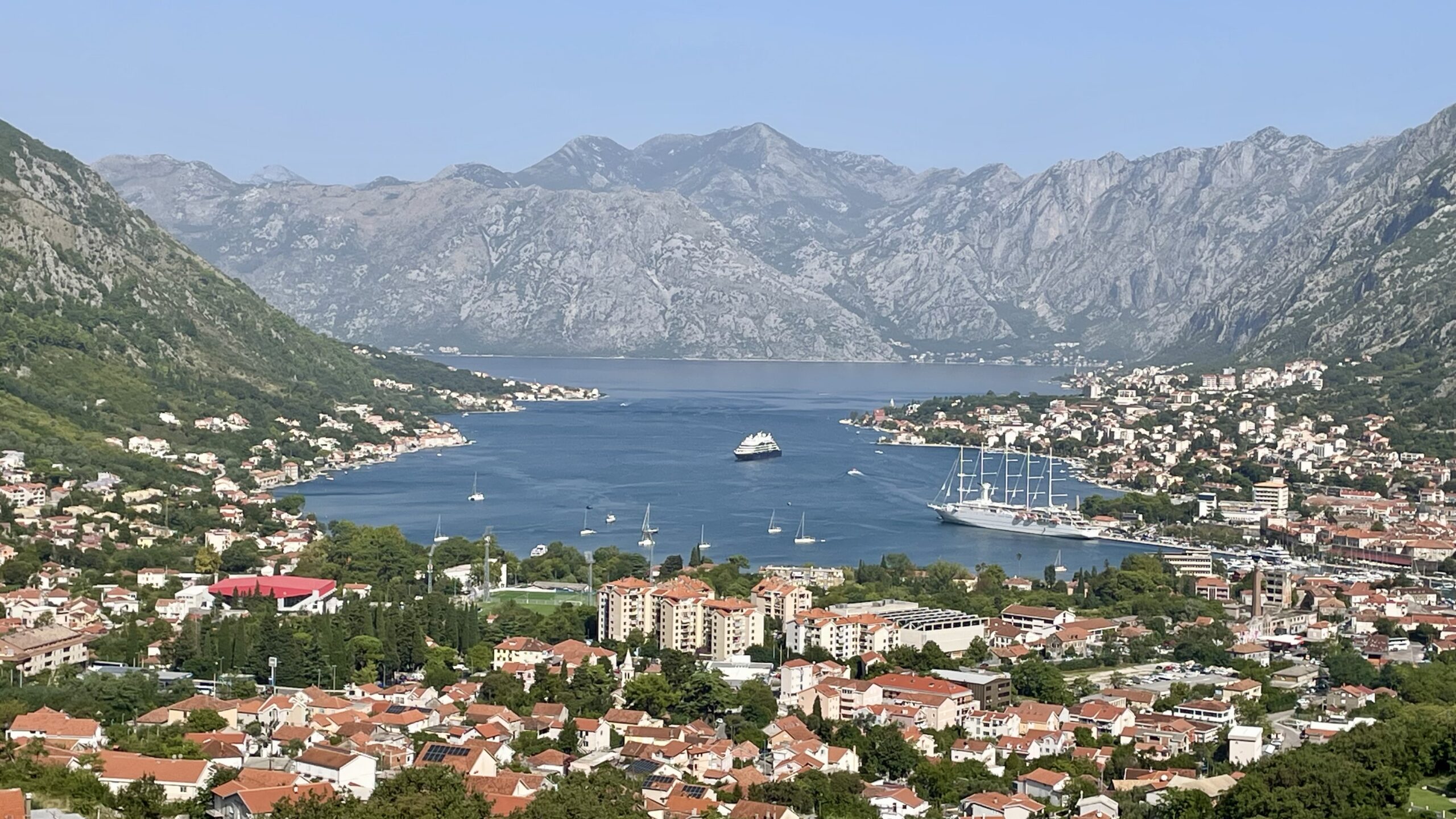
For many travelers, Montenegro is first discovered through a single photograph — a dramatic bay surrounded by steep mountains, medieval stone towns resting by the water, and a quiet Adriatic light that feels almost cinematic.
That image is almost always Kotor Bay, also known as the Bay of Kotor or Boka Bay. It is often described as the southernmost fjord in Europe — although technically it is not a fjord, but a submerged river canyon shaped over centuries. Regardless of the definition, the scenery feels unmistakably Nordic in form, yet Mediterranean in spirit.
We are fortunate to be based just minutes away from this landscape. Almost every journey we organize in Montenegro begins or ends along the shores of Kotor Bay, allowing us to experience it from different angles — in the soft light of morning departures and again at sunset when returning from the mountains.
A Town Shaped by History
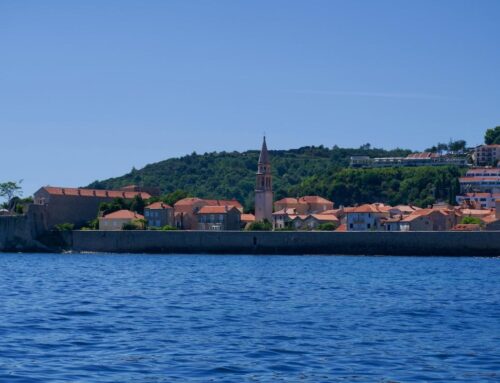
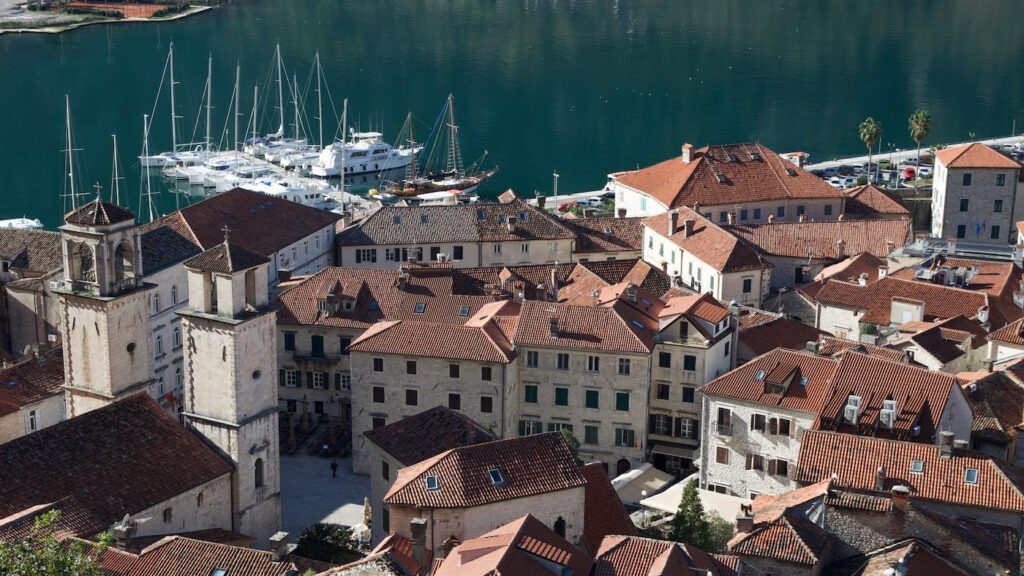
Kotor itself is far more than just a beautiful coastal stop. The Old Town of Kotor is a UNESCO World Heritage Site, recognized for its remarkably preserved medieval architecture and fortified walls.
For centuries, Kotor was an important maritime and trading center under Venetian influence. You can still see this history in its narrow stone streets, small piazzas, ancient churches, and defensive walls that climb high above the town toward the mountains.
Walking through Kotor feels like stepping into another era. The Cathedral of Saint Tryphon, built in the 12th century, remains one of the region’s most important landmarks. Above the town, the fortress walls stretch up the hillside, offering one of the most iconic views over the bay for those willing to climb.
The Loop Around Kotor Bay
Beyond the Old Town, the wider Bay of Kotor is a region of quiet coastal villages, historic churches, and constantly shifting perspectives. One of the most scenic ways to experience it is by following the road that loops around the entire bay.
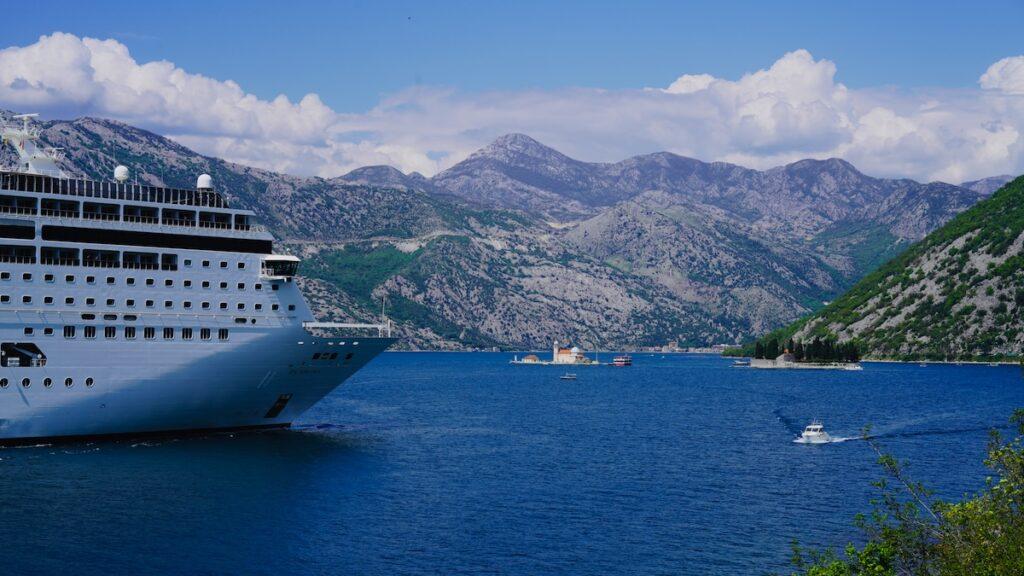
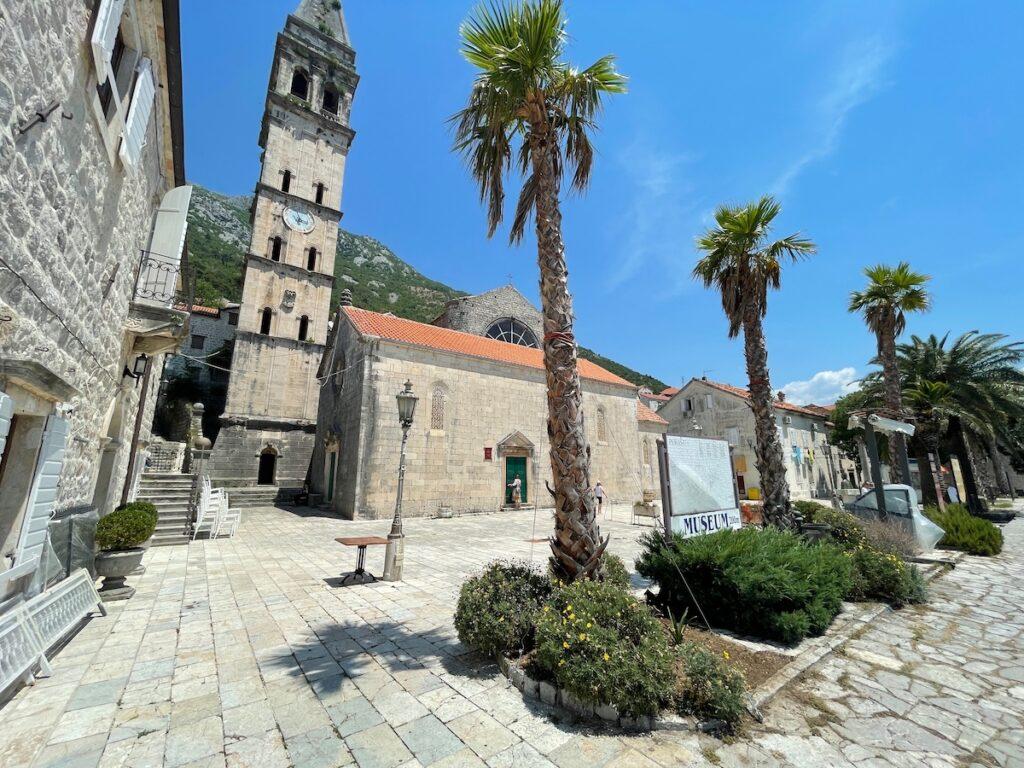
This route passes through Perast, Risan, Herceg Novi, Tivat, and smaller villages such as Prčanj and Muo. Perast, in particular, is a highlight — a small baroque town facing the famous islands of Our Lady of the Rocks and Saint George. These two islands, floating just offshore, are among the most photographed landmarks in Montenegro.
The drive around the bay is relaxed and beautiful, with the mountains rising sharply above the water and small boats moving slowly across the surface. It is not a fast road — and it should not be. It invites you to slow down, stop frequently, and take in the scenery.
For visitors arriving by cruise ship or for those spending a short time in the region, this coastal loop offers an ideal half-day or full-day escape.
The Kotor Serpentine
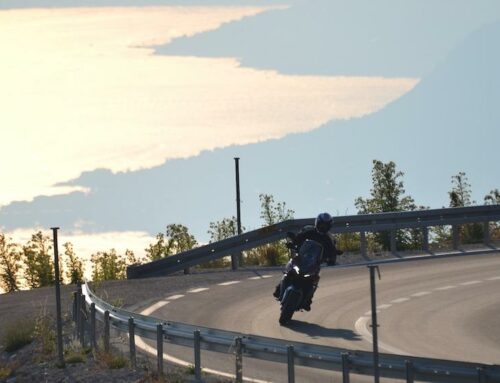
Above the town lies another legendary route — the Kotor Serpentine Road. With its series of tight switchbacks climbing toward Lovćen National Park, it offers panoramic views that reveal the entire geometry of the bay below.
From the top, the water appears calm and distant, framed by dramatic mountain ridges. This road is often searched online as “Kotor serpentine” or “best road near Kotor,” and it lives up to its reputation. It connects the coastal atmosphere of the bay with the rugged mountain interior of Montenegro.
For many travelers, this short climb becomes one of the most memorable moments of their trip.
Practical Tips for Visiting Kotor Bay
Kotor Bay is one of the most popular destinations in Montenegro, especially during the summer months. From June through August, the area can become busy, particularly when cruise ships arrive. Traffic along the narrow coastal road may slow significantly during peak hours.
If you are planning to visit by car or motorcycle in summer, early mornings and late afternoons are the most enjoyable times to explore. Alternatively, arriving by boat can offer a more relaxed entrance into the Old Town during busy days.
For a quieter experience, spring and autumn are ideal. April to June and September to October offer comfortable temperatures, fewer crowds, and clearer access to both the coastal roads and the mountain routes above.
More Than a Postcard
Kotor Bay is often the image that introduces people to Montenegro. But once you stand there in person — walking through Perast at sunset, looking toward the islands, climbing the serpentine road above Kotor — you realize it is more than a postcard. It is a living landscape shaped by history, sea, and mountains.
Whether you explore it by car, by motorcycle, by boat, or simply on foot, the Bay of Kotor remains one of the defining experiences of Montenegro.
And for those who continue beyond it into the mountains and deeper into the Balkans, it often becomes the perfect beginning — and ending — to the journey.