Budva, Montenegro: Old Town Charm, Adriatic Views and Summer Energy
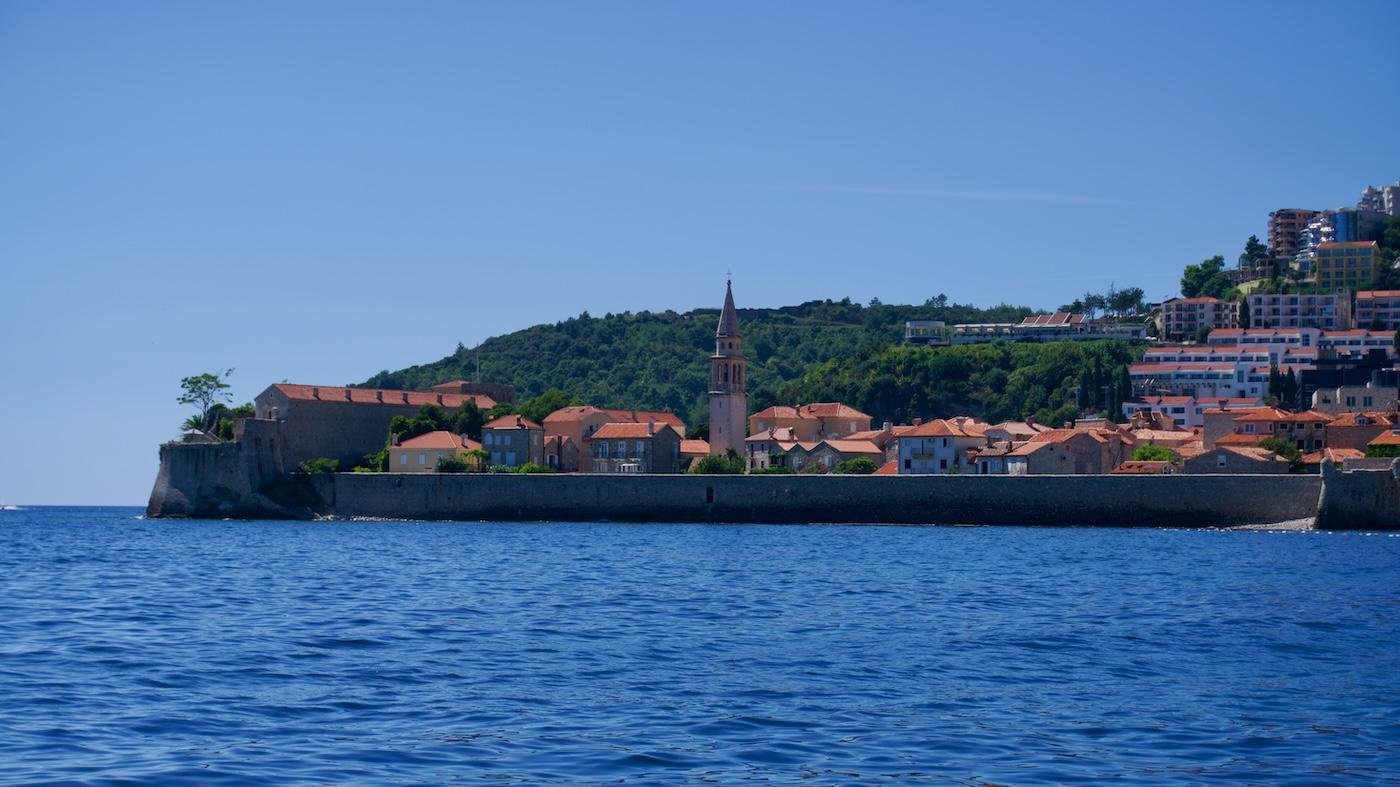
Budva is one of the most well-known destinations in Montenegro. For many visitors, it represents the country’s lively coastal spirit — historic stone streets, long beaches, vibrant nightlife, and a summer atmosphere that feels almost Mediterranean Riviera.
Located along the Adriatic coast, Budva blends centuries of history with modern tourism. It is both one of the oldest settlements in the region and one of the busiest summer destinations in the Balkans.
Budva Old Town: A Walk Through History
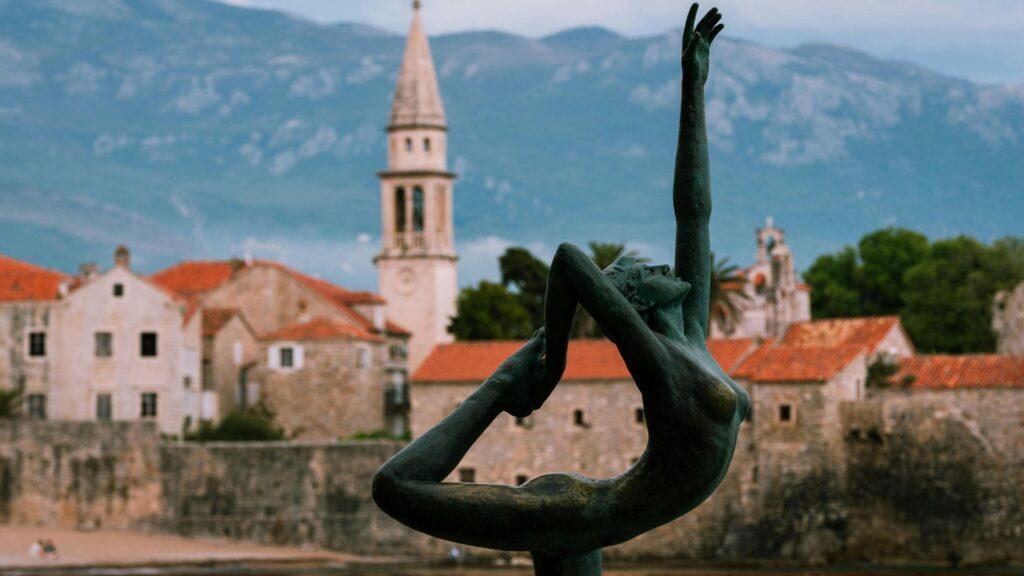
At the heart of Budva lies its Old Town, a compact walled peninsula surrounded by the sea. Narrow cobblestone streets, small squares, stone churches, and open sea views create a setting that feels both intimate and historic.
The Citadel fortress stands at the southern tip, offering one of the most iconic viewpoints along Montenegro’s coastline. From here, you can see the Adriatic stretching westward and the mountains rising behind the town — a reminder of how compact and diverse the country truly is.
Budva’s Old Town can be explored in a few hours, making it an easy stop for travelers moving along the coast.
Coastal Roads and Scenic Stops
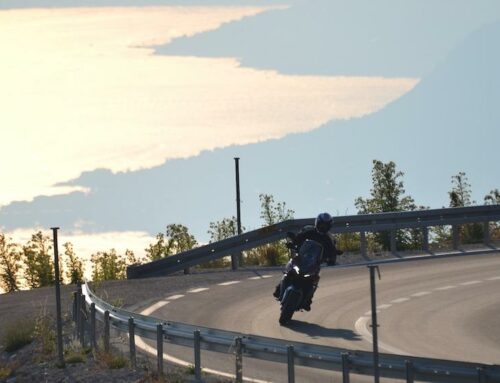
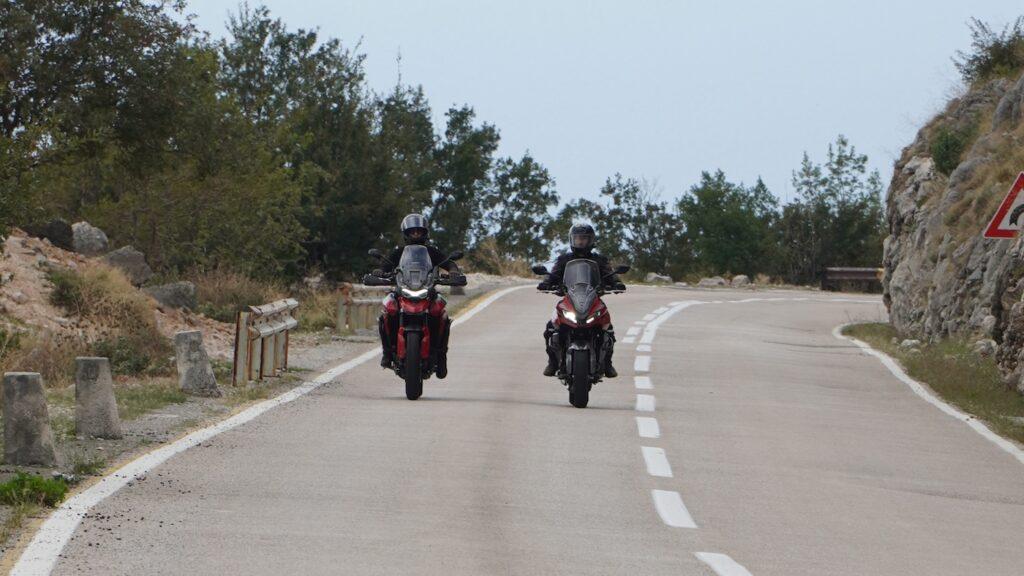
The road connecting Budva with Becici, Przno, and Sveti Stefan is one of the most visually rewarding stretches along the Adriatic. It follows the coastline closely, offering constant sea views and gentle curves through Mediterranean landscapes.
Outside of peak summer, riding through Budva and along this coastal section can be a pleasant experience. In spring and autumn, when traffic is lighter, we often pass through the area and occasionally stop by the sea for a coffee or a relaxed lunch with a view.
However, during July and August, Budva becomes heavily congested. The combination of beach tourism, festivals, and regional visitors creates dense traffic, limited parking, and slow-moving roads. In peak summer, this is not the most enjoyable place to be on a motorcycle — or even in a car.
For riders and road travelers, the shoulder seasons are far more rewarding. May, June, September, and early October offer warm weather, open coastal views, and a much calmer atmosphere.
Beaches and Summer Atmosphere
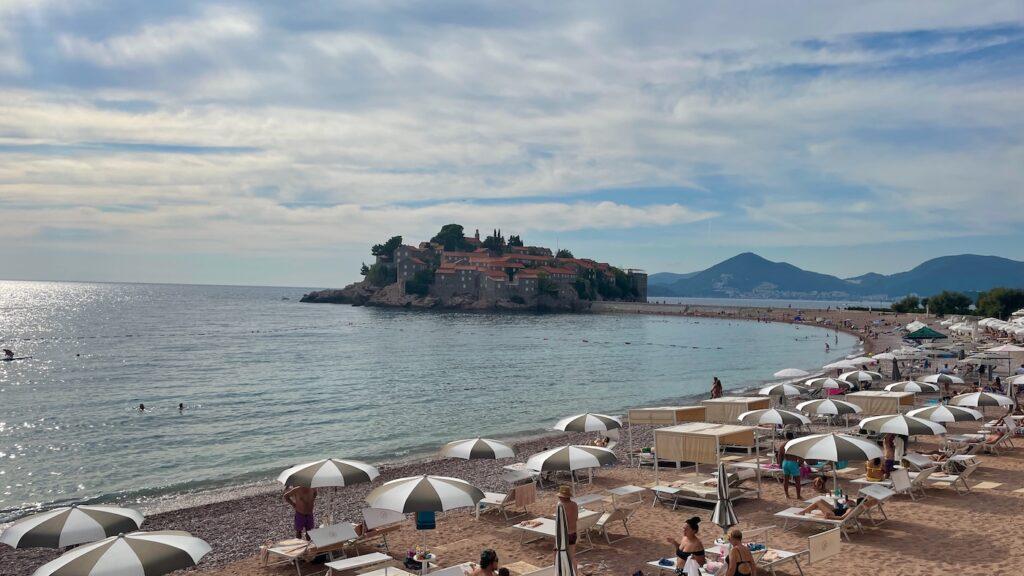
Budva is famous for its beaches. Mogren Beach, located just beyond the Old Town walls, is one of the most photographed spots in Montenegro. Slovenska Beach stretches along the main promenade, while Jaz Beach hosts concerts and events during the summer months.
In peak season, Budva transforms into Montenegro’s entertainment center. Beach clubs, nightlife, and music festivals bring energy to the town — but also crowds.
If your goal is relaxation, photography, or scenic exploration, visiting outside the busiest weeks will give you a very different impression of Budva.
A Different Side of Montenegro
Budva represents the dynamic and modern face of Montenegro. While places like Kotor or Perast offer quiet historic charm, Budva offers movement, rhythm, and coastal vibrancy.
For many travelers, it serves as a natural stop on a broader journey through Montenegro — whether exploring the Adriatic coast, heading toward the mountains, or simply discovering different sides of this small but diverse country.
When Is the Best Time to Visit Budva?
If you prefer warm sea temperatures, nightlife, and an energetic atmosphere, July and August are ideal — just be prepared for traffic and crowds.
If you value scenic drives, relaxed cafés by the water, and easier access to coastal roads, late spring and early autumn provide a much more balanced experience.
Budva is worth visiting — but like many popular destinations in Montenegro, timing makes all the difference.